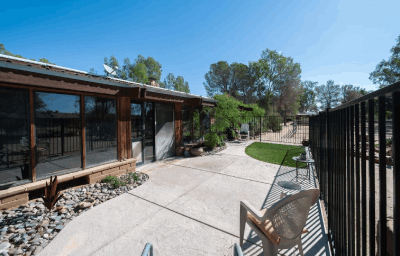
Patio Seating Ideas: Transform Your Outdoor Space Into A Summer Sanctuary
Have you ever stepped outside and wished your patio felt like a natural extension of your home—a place where you can relax, entertain, and truly unwind? The secret lies in patio seating ideas that blend comfort, style, and smart design. Whether you have a sprawling backyard or a compact city balcony, the right seating can completely redefine your outdoor living experience. Let’s explore how to create a space you’ll never want to leave.
Assessing Your Patio: The Foundation of Great Design
Before you buy a single cushion or lounge chair, the most critical step is a thorough assessment of your available space. This isn’t just about measuring square footage; it’s about understanding the personality of your patio.
Start by taking precise measurements of the length and width. Sketch a simple floor plan—you don’t need architectural skills, just a basic outline. This will be your testing ground for furniture layouts. Next, observe the sun and shade patterns throughout the day. A spot that’s sunny in the morning might be an oven by afternoon. Note existing structures like walls, railings, or planters that can anchor your seating. Finally, consider traffic flow. How do people move from your house to the patio? You need a clear path, ideally at least 3 feet wide, to avoid a cramped feeling. A well-assessed space prevents costly mistakes and ensures your furniture fits both physically and functionally.
Defining Your Patio’s Purpose: What’s the Main Event?
Your seating choices should be dictated by how you use the space. Is this a private retreat for morning coffee and a good book? A entertainment hub for weekend BBQs and gatherings? Or a family zone for kids' play and casual meals?
- For Relaxation & Solitude: Prioritize deep, plush seating like chaise lounges, a hanging chair, or a cozy loveseat. Think soft textures, gentle curves, and arrangements that face a pleasant view—a garden, a water feature, or simply away from the house for a sense of escape.
- For Dining & Entertaining: The focus shifts to a sturdy dining table with enough chairs for your typical guest count. Consider extending tables for flexibility. Bar-height tables and stools are excellent for smaller spaces or creating a casual, cocktail-style vibe.
- For Multi-Functional Use: This is the most common challenge. The solution is zoned seating. Create distinct areas: a dining zone, a lounge zone with a sofa and coffee table, and perhaps a single reading nook. Using outdoor rugs is a brilliant, low-commitment way to visually define these zones without building walls.
Understanding your primary purpose is the compass that guides every other decision, from furniture style to accessory choices.
Choosing the Right Patio Furniture Materials: Durability Meets Style
Outdoor furniture faces the elements: relentless sun, driving rain, snow, and temperature extremes. The material you choose is your first line of defense and a major style determinant.
- Teak Wood: The gold standard. Its natural oils make it incredibly resistant to rot, insects, and weather. It ages to a beautiful silvery patina. Pros: Extremely durable, classic look. Cons: High cost, requires annual cleaning to maintain color.
- Wrought Iron & Aluminum: These metals are synonymous with strength and intricate design. Aluminum is lightweight and rust-proof, often powder-coated in various colors. Wrought iron is heavier, very sturdy, and perfect for windy areas but can rust if the paint chips. Pros: Long-lasting, vast style options. Cons: Can be hot in direct sun (iron especially), may need cushioning for comfort.
- All-Weather Wicker/Rattan: Modern synthetic wicker (like polyethylene) is UV-stable and moisture-resistant, mimicking the natural look without the maintenance. Pros: Lightweight, cozy aesthetic, comfortable. Cons: Lower-quality versions can fade or become brittle; check the warranty.
- Concrete & Stone: For a modern, permanent, and industrial feel. Concrete tables and benches are incredibly sturdy and weather-impervious. Pros: Unmatched durability, unique style. Cons: Very heavy, can be hard and cold, limited mobility.
- Recycled Plastic & Composite Lumber: An eco-friendly champion. Made from recycled plastics, it’s fade-resistant, stain-proof, and never needs sealing. Pros: Virtually maintenance-free, great for humid climates. Cons: Can look less "natural" than wood, may expand/contract slightly in temperature.
Pro Tip: Always check the furniture's weight capacity and read reviews specifically mentioning long-term outdoor exposure. Look for stainless steel hardware to prevent rusting at joints.
Seating Arrangement & Layout Strategies: The Art of Conversation
Now for the fun part: arranging your chosen pieces. The goal is to create an inviting, functional flow that encourages conversation and relaxation.
1. The Conversation Pit: This is the ultimate social setup. Arrange sofas and chairs in a U-shape or circular pattern around a central coffee table or fire pit. Ensure seats are within comfortable talking distance (about 8-10 feet apart max). This layout naturally draws people together.
2. The Dining Focus: Place your dining table as the anchor. Allow at least 36 inches between the table edge and any wall or furniture to pull chairs out comfortably. For larger tables, consider a bench on one side—it saves space, seats more people, and adds a casual, communal feel.
3. The Linear Lounge: Perfect for narrow patios or those with a stunning view (like a pool or garden). Place a sofa and chairs in a single row facing the view, with a long, low console table behind the seating for drinks. This maximizes the vista.
4. Multiple Zones: As mentioned, use outdoor rugs (made of polypropylene or synthetic fibers) to ground each zone. A large rug under the dining set, a smaller one under the lounge chairs—this visually separates the functions. You can also use planters, screens, or lighting as subtle dividers.
Crucial Spacing Rules:
- Leave at least 24-30 inches between seating pieces for walkway clearance.
- For a coffee table in front of a sofa, allow 14-18 inches of legroom.
- If you have a fire pit, maintain a 3-foot safety buffer between flames and any furniture (check local codes).
Comfort is Non-Negotiable: Cushions, Pillows & Textiles
A beautiful chair is just a chair without comfort. This is where you inject personality and al fresco luxury.
- Outdoor Cushions: Look for quick-dry foam and solution-dyed acrylic fabric (like Sunbrella). These resist fading, mildew, and stains. Cushions should be at least 5 inches thick for real support. Consider removable cushion covers for easy washing.
- Throw Pillows: Add pops of color, pattern, and texture. Mix sizes (18"x18", 20"x20") and shapes (square, lumbar). Use indoor/outdoor pillow inserts with the same performance fabrics. They’re the easiest, cheapest way to refresh your look seasonally.
- Blankets & Throws: Drape a soft, weather-resistant throw over the back of a sofa or in a basket. It invites people to stay longer on cooler evenings.
- The "Sit Test": Never buy seating without sitting in it first. Does it support your lower back? Is the seat depth comfortable (typically 18-22 inches)? Does it feel stable? Your patio is for living, not just looking.
Shade Solutions: Beat the Heat in Style
Sun protection is essential for making your patio usable for more than a few hours a day. The right solution also becomes a major design feature.
- Pergolas: These architectural structures offer filtered shade and a sense of permanence. You can add retractable canopies or climbing vines (like wisteria or clematis) for adjustable coverage. They’re perfect for defining a dining or lounge area.
- Umbrellas: The most versatile option. Cantilever (offset) umbrellas are fantastic because they provide shade without a central pole obstructing the seating. Look for vented canopies that allow wind to pass through, increasing stability. Ensure the umbrella base is heavy enough for your wind conditions.
- Shade Sails: Modern, geometric, and highly effective. Made from breathable, UV-blocking fabric, they create dramatic, artistic shade. They require secure anchor points (to house walls, pergola posts, or dedicated poles).
- Retractable Awnings: A more permanent, attached solution that extends from your house. They offer excellent sun and light rain protection and can be motorized for convenience.
- Natural Shade: Don’t underestimate trees, large shrubs, and trellises. They provide cooling shade and integrate beautifully with the landscape. This is a longer-term solution but the most organic.
Lighting: Extend Your Enjoyment into the Evening
Proper lighting transforms your patio from a daytime space to a magical nighttime oasis. It’s about ambiance, safety, and function.
- Ambient Lighting: Creates the overall glow. String lights (fairy lights) are the undisputed champion—they’re romantic, easy, and inexpensive. Drape them overhead, along railings, or in trees. Solar-powered pathway lights or lanterns add gentle illumination along walkways.
- Task Lighting: Essential for dining or reading. Adjustable spotlights on the house or pergola can illuminate a table. Wall sconces provide focused light without taking up table space.
- Accent Lighting: Highlights features. Uplights at the base of trees or planters create drama. Candlelight (in sturdy, wind-resistant holders or lanterns) is the ultimate in warmth and ambiance.
- Pro Lighting Tips: Use warm white bulbs (2700K-3000K) for a cozy feel. Avoid glaring, overhead floodlights. Dimmer switches are a game-changer for adjusting mood. Always use outdoor-rated (UL listed) fixtures and bulbs for safety.
Adding Personality with Decor & Accessories
This is where your patio tells your story. Accessories are the jewelry of your outdoor room.
- Outdoor Rugs: As mentioned, they define zones and add softness underfoot. Choose one that’s mold and mildew resistant and easy to hose down.
- Planters & Greenery: Plants are the soul of a patio. Use a mix of tall planters (for privacy and height), hanging baskets, and tabletop pots. Incorporate edible plants (herbs, cherry tomatoes) in the dining area for a functional touch.
- Art & Wall Decor: Weather-resistant metal sculptures, outdoor-safe canvas art, or a chalkboard for messages add character. A mirror can make a small space feel larger and reflect light.
- Functional Decor: A serving cart on wheels provides extra surface area for food and drinks. Storage ottomans hide pillows and toys while offering extra seating. A water feature adds soothing sound and cools the air.
Maintenance Made Easy: Protecting Your Investment
Your beautiful setup will only last with proper care. Create a simple seasonal routine.
- Regular Cleaning: Brush off loose dirt weekly. Monthly, clean furniture with mild soap and water and a soft brush. Avoid pressure washers on wicker or wood. For fabric, follow manufacturer instructions—most can be hosed down.
- Cushion & Pillow Care: Store in a dry, ventilated deck box or indoor closet during heavy rain or winter. If leaving out, ensure they are 100% dry before covering or storing to prevent mildew.
- Winter Storage: In climates with harsh winters, store all cushions, fabrics, and lightweight furniture indoors. For heavier items like teak or wrought iron, use breathable, waterproof covers and elevate them off the ground with furniture glides to prevent moisture wicking.
- Seasonal Prep: In spring, inspect for any winter damage. Tighten bolts. Apply a fresh coat of protective oil to teak if you prefer its golden hue. Re-treat wood furniture with a waterproof sealant if needed (check manufacturer guidelines).
Budget-Friendly & DIY Hacks for Patio Perfection
You don’t need a limitless budget to create a stunning patio. Get creative!
- Mix High & Low: Invest in a few key, durable pieces (like a dining table) and pair them with more affordable, trendy items (like a wicker chair from a big-box store).
- Repurpose & Upcycle: An old wooden pallet can become a charming coffee table with a coat of paint and a glass top. Vintage crates make unique side tables or plant stands.
- DIY Cushion Covers: If you can sew (or know someone who can), buying fabric and making your own covers is significantly cheaper than buying premade ones.
- Thrift & Hunt: Check flea markets, garage sales, and online marketplaces for solid wood or metal furniture that just needs a fresh coat of paint or new cushions.
- Focus on Lighting: A few strands of solar-powered string lights can transform a space for under $50. They’re the best bang for your buck in outdoor ambiance.
- Propagate Plants: Instead of buying mature, expensive plants, start with small, inexpensive ones and let them grow. Many herbs and succulents are easy to propagate from cuttings.
Conclusion: Your Patio, Your Sanctuary
Designing your ideal patio seating area is a journey of balancing practicality with passion. It starts with a clear understanding of your space and how you’ll use it. From there, selecting durable materials that suit your climate and style, arranging them to foster connection or tranquility, and layering in comfort with textiles and shade—each step builds toward a cohesive whole.
Remember, the most successful patios feel personal and lived-in. They evolve with you. Start with a solid foundation—a great table and chairs or a cozy loveseat—and add pieces over time. Incorporate elements that speak to you, whether it’s a bold patterned pillow, a collection of potted herbs, or the gentle glow of string lights at dusk.
Your patio is more than just an outdoor area; it’s an additional room, a breath of fresh air, and a direct line to nature. By investing thoughtful patio seating ideas into this space, you’re not just creating a place to sit—you’re crafting an everyday retreat, a venue for memory-making, and a sanctuary that extends the warmth of your home into the great outdoors. Now, go out and build your perfect escape.