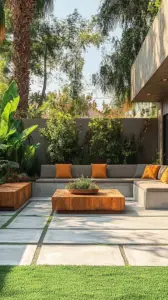
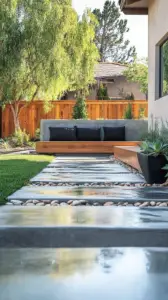
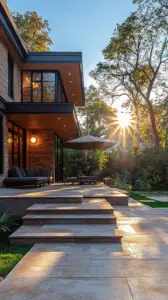
Modern Concrete Patio: Transform Your Outdoor Space With Style And Durability
Have you ever wondered how to create a backyard oasis that’s both breathtakingly beautiful and built to withstand decades of use? The modern concrete patio has evolved far beyond its humble, gray-slab origins to become a cornerstone of contemporary outdoor design. Today, concrete offers unparalleled design flexibility, surprising aesthetic possibilities, and a level of durability that other materials simply can’t match. Whether you’re dreaming of a sleek entertainment zone, a serene garden retreat, or a family-friendly pool deck, a modern concrete patio can be tailored to your vision, lifestyle, and budget. This guide will walk you through everything you need to know—from stunning finishes and color options to eco-friendly benefits and long-term care—so you can confidently invest in an outdoor space that adds value, charm, and functionality to your home for years to come.
The Unmatched Durability of Modern Concrete
At its core, the enduring popularity of a modern concrete patio lies in its legendary strength and resilience. Concrete is a composite material that, when properly mixed and cured, develops immense compressive strength—often between 3,000 to 5,000 pounds per square inch (psi). This means it can easily support the weight of heavy outdoor furniture, a hot tub, or a crowd of guests without cracking or settling. Unlike wood decks, which are susceptible to rot, insect damage, and warping, or interlocking pavers, which can shift and settle over time creating uneven surfaces, a well-installed concrete patio remains stable and flat for decades. It’s also highly resistant to fire, pests, and harsh weather conditions, from scorching summer sun to freezing winter cycles.
This durability translates directly into a long lifespan and low lifetime cost. While the initial installation cost of concrete is competitive, its minimal maintenance requirements and 30-year-plus lifespan mean you won’t face the recurring replacement or repair costs associated with softer materials. Furthermore, modern concrete mixes and installation techniques have dramatically improved its resistance to cracking. By incorporating control joints (strategic cuts that allow for controlled expansion and contraction) and proper reinforcement like wire mesh or rebar, installers can mitigate the risk of random, unsightly cracks. The result is a solid, permanent foundation for your outdoor living area that provides peace of mind and a reliable space for countless memories.
Design Versatility: From Stamped to Polished Finishes
One of the most exciting aspects of a modern concrete patio is the incredible spectrum of decorative finishes available. Concrete is no longer synonymous with a plain, industrial look. Through innovative techniques, it can be transformed to mimic the high-end appearance of natural stone, brick, or even rich hardwood—often at a fraction of the material cost.
Stamped Concrete: Affordable Elegance
Stamped concrete is a process where color hardeners and release agents are applied to freshly poured concrete, followed by pressing flexible, pattern-specific mats into the surface. This creates a remarkably realistic texture and three-dimensional appearance. Popular patterns include ashlar slate, random stone, cobblestone, and wood plank. The versatility is astounding; you can achieve the luxurious look of a flagstone patio without the prohibitive cost and maintenance of natural stone. Stamped concrete is also excellent for creating cohesive designs that extend from a home’s interior flooring to the outdoor patio, blurring the lines between inside and out.
Exposed Aggregate: Texture and Safety
For a patio that prioritizes both beauty and function, exposed aggregate is a top contender. In this finish, small stones or pea gravel are broadcast onto the surface of the wet concrete. After the concrete sets, the top layer is washed away, revealing the colorful, textured stones embedded within. This creates a slip-resistant surface that is ideal for pool decks, areas prone to rain or snow, and homes with children or elderly residents. The exposed stones—which can range from subtle quartz to vibrant, colored glass—add incredible visual interest and a tactile, natural feel. It’s a fantastic way to achieve a custom, high-end look that is also inherently safe and durable underfoot.
Polished Concrete: Sleek and Contemporary
When a minimalist, sophisticated aesthetic is the goal, polished concrete delivers. This multi-step process involves grinding the concrete surface with progressively finer diamond abrasives to achieve a desired level of sheen, from a soft matte to a high-gloss mirror finish. During the grinding, integral color or decorative dyes can be added for depth. The final step includes applying a penetrating densifier and a protective sealer. The result is a seamless, elegant surface that reflects light, making it perfect for modern architectural styles, urban rooftops, or as a stunning contrast against lush greenery. Polished concrete is also incredibly easy to clean and is resistant to stains when properly sealed.
Color Customization: Beyond Gray
The days of concrete being limited to standard gray are long gone. Today’s modern concrete patio can be a canvas for virtually any color, allowing for perfect coordination with your home’s exterior, landscaping, or design scheme.
Integral pigments are powdered colorants mixed directly into the concrete batch at the plant. This method colors the entire slab uniformly, ensuring the color won’t wear away or fade from the surface over time. It provides the most consistent and permanent color. For more vibrant or varied hues, concrete dyes (water or solvent-based) can be applied to the surface after curing. Dyes penetrate the concrete and offer a wider palette, including bright blues, reds, and greens. Acid stains (or water-based alternatives) create unique, variegated, marble-like effects by chemically reacting with the minerals in the concrete. For existing patios, concrete paints and overlays can completely refresh the color without full replacement. It’s crucial to use UV-stable pigments and high-quality sealers to protect the color from fading in sunny climates, ensuring your patio remains vibrant for years.
Essential Maintenance for Long-Term Beauty
A common misconception is that a modern concrete patio is completely maintenance-free. While it’s certainly low-maintenance compared to wood or some pavers, proactive care is essential to preserve its beauty and structural integrity for decades. The two most critical practices are sealing and regular cleaning.
Sealing is non-negotiable. A high-quality sealer acts as a protective barrier against moisture infiltration, freeze-thaw damage, UV rays (which can fade color), oil and grease stains, and de-icing salts. There are two primary types: film-forming sealers (acrylics, polyurethanes, epoxies) that create a visible glossy or matte layer on top, and penetrating sealers (silicates, silanes, siloxanes) that soak into the concrete to strengthen it from within without altering its appearance. For most decorative patios, a acrylic or polyurethane sealer is recommended and should be reapplied every 2 to 3 years, depending on climate and exposure. Professional application ensures an even, effective coat.
Regular cleaning is simple but important. Sweep debris like leaves and dirt weekly to prevent staining and abrasion. For deeper cleaning, use a mild detergent or concrete-specific cleaner with a soft-bristled brush and rinse thoroughly with a garden hose. A pressure washer on a low setting (no more than 1,500 PSI) can be used occasionally for stubborn grime, but always keep the nozzle moving to avoid etching the surface. Promptly clean up spills like oil, wine, or fertilizer. Address any cracks or chips immediately with a suitable concrete repair product to prevent water intrusion and further damage. This routine care keeps your patio looking pristine and prevents small issues from becoming costly repairs.
Eco-Friendly Advantages of Concrete Patios
In an era of heightened environmental awareness, the modern concrete patio offers several significant sustainability benefits. First, concrete’s incredible lifespan—often 30 to 50 years or more—means it doesn’t need frequent replacement, reducing the consumption of raw materials and the energy associated with manufacturing and installation over time compared to shorter-lived options.
More importantly, permeable concrete (also called pervious or porous concrete) is a game-changer for sustainable landscaping. Unlike traditional solid concrete, permeable concrete has a carefully controlled void structure (15-25%) that allows rainwater to drain directly through the surface and into the ground below. This dramatically reduces stormwater runoff, mitigating erosion, preventing flooding, and recharging local groundwater supplies. It also filters pollutants naturally as water percolates through the soil. Many municipalities offer incentives or reduced fees for using permeable paving because it alleviates strain on public storm sewer systems.
Additionally, concrete’s thermal mass properties can contribute to a more energy-efficient home. In hot climates, a concrete patio absorbs heat during the day and slowly releases it at night, helping to moderate the immediate outdoor microclimate. While not a replacement for home insulation, this can reduce the urban heat island effect in your yard and potentially lower cooling costs for adjacent rooms. When combined with locally sourced materials and recycled aggregates (like crushed glass or slag cement), a concrete patio can be a genuinely eco-conscious hardscaping choice.
Professional Installation: A Worthwhile Investment
While the allure of a DIY concrete patio is understandable, the complexity and permanence of the material make professional installation a critical investment for a successful, long-lasting result. The difference between a professional job and an amateur one often lies in the preparation—the unseen work that happens before the concrete is ever poured.
A reputable contractor will begin with meticulous site preparation. This includes thorough excavation to the correct depth, proper grading for drainage (a minimum slope of 1/4 inch per foot away from the house), and installing a compacted, stable subbase of crushed stone. This base is fundamental to preventing settling and cracking. They will then set up formwork with precise alignment and reinforcement (like wire mesh or rebar) placed correctly to provide tensile strength. Control joints are sawed or tooled into the surface at calculated intervals to control where the concrete will crack as it cures and shrinks.
Professionals also understand the nuances of concrete mix design for your specific climate and application, ensuring the right balance of cement, aggregates, water, and admixtures for strength and workability. They manage the pour and finishing process efficiently, using techniques like floating, troweling, and applying decorative treatments at the exact right moment in the curing cycle. Finally, they implement proper curing procedures—keeping the slab moist and protected for several days—to prevent premature drying and cracking. This expertise not only guarantees a beautiful finish but also typically comes with a warranty, protecting your investment. Cutting corners on installation is the single biggest risk to the durability and appearance of your modern concrete patio.
Investment Value: Boosting Curb Appeal and Property Worth
A modern concrete patio is more than just an outdoor amenity; it’s a strategic financial investment in your property. Real estate experts consistently emphasize that well-designed outdoor living spaces are among the top features that attract buyers and increase home value. According to the National Association of Realtors, a patio or outdoor living area can recoup a significant portion of its cost at resale, with some estimates suggesting a return on investment (ROI) of 60-80% for quality hardscaping.
The appeal is multifaceted. First, it instantly enhances curb appeal, creating an inviting, finished look that suggests a well-maintained home. Second, it effectively expands the usable square footage of your house, providing a dedicated space for dining, lounging, gardening, or entertaining. In a competitive housing market, this “extra room” is a powerful selling point. Third, the low-maintenance nature of concrete is a major advantage for potential buyers who may be deterred by the upkeep required for wood decks or the instability of loose gravel or pavers. A beautifully finished, durable concrete patio signals quality and reduces future hassle for the homeowner. By choosing a timeless, versatile design, you ensure that your patio remains attractive and functional for years, continually contributing to your home’s market value and your own enjoyment.
Conclusion: Your Modern Concrete Patio Awaits
From its rock-solid durability and boundless design potential to its eco-friendly attributes and strong return on investment, the modern concrete patio stands as a premier choice for homeowners seeking to create a stunning, practical outdoor space. By exploring finishes like stamped, exposed aggregate, and polished concrete, and customizing with a spectrum of colors, you can achieve a unique look that perfectly complements your home’s style. Remember that professional installation and a commitment to regular maintenance, particularly sealing, are the keys to unlocking its full lifespan and beauty. Whether you’re envisioning quiet morning coffee amidst the garden or lively evening gatherings under the stars, a modern concrete patio provides the perfect, enduring foundation. It’s time to transform your backyard from a simple patch of grass into a sophisticated, valuable extension of your home—a space you’ll love and use for decades to come.