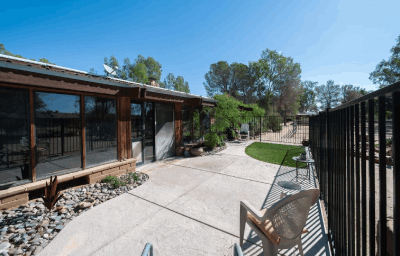
Patio Landscaping Ideas: Transform Your Outdoor Space Into A Summer Sanctuary
Have you ever stepped onto your patio and felt it was just a concrete slab, missing that certain je ne sais quoi? You’re not alone. Many homeowners dream of a backyard oasis but don’t know where to start. The secret lies not in grand, expensive overhauls, but in clever patio landscaping ideas that blend function with beauty. Whether you have a tiny city balcony or a sprawling suburban deck, the right landscaping can turn your outdoor area into your favorite room in the house. This guide will walk you through a complete transformation, from initial assessment to final decorative touches, ensuring your patio becomes a personal sanctuary for relaxation and entertainment.
Your patio is an extension of your home’s living space, a bridge between indoors and the natural world. Yet, it often gets overlooked as merely a place for a grill and a few chairs. By applying thoughtful landscaping principles, you can create a dynamic environment that engages the senses, supports local ecology, and dramatically increases your property’s curb appeal and value. Studies show that a well-designed outdoor living space can yield a return on investment of up to 200% at resale. It’s about more than just adding plants; it’s about crafting an experience. Let’s dive into the essential strategies and creative ideas to landscape your patio like a pro.
1. Assess Your Canvas: Understanding Your Patio’s Potential
Before you buy a single plant or pot, you must become an expert on your own space. Begin by assessing your patio's size, shape, and existing features. This foundational step is non-negotiable and will save you from costly mistakes. Grab a tape measure and sketch a basic floor plan, noting the exact dimensions, permanent structures like walls or railings, and the location of utilities. Pay close attention to the sun’s path. How many hours of direct sunlight does your patio receive? Morning sun is gentle, while afternoon sun can be intense and drying. Also, observe shade patterns from buildings or trees. This light analysis is critical for plant selection.
Next, evaluate the soil if you have in-ground planting areas. Is it heavy clay, sandy, or loamy? A simple squeeze test can tell you a lot. This assessment also includes understanding your climate zone (find yours via the USDA Plant Hardiness Zone Map) and your local microclimate—is it particularly windy, humid, or prone to frost pockets? Finally, take stock of existing elements you want to keep or disguise. That ugly utility box? You’ll need a strategy to camouflage it. This honest evaluation is your roadmap, ensuring every subsequent decision is grounded in the reality of your unique environment.
2. Go Vertical: Maximizing Space with Height and Layers
One of the most powerful patio landscaping ideas for small or medium spaces is to think upward. Incorporate vertical gardening to maximize space. By utilizing walls, fences, railings, and structures, you add a lush, green dimension without sacrificing precious floor area. Vertical gardens, also known as green walls, can be as simple as a trellis with climbing vines or as sophisticated as a modular pocket system. They soften hardscapes, provide privacy, and can even help insulate your home.
Consider installing a pergola or arbor as a central vertical feature. These structures not only offer shade but also provide perfect anchor points for hanging baskets, climbing roses, or wisteria. For railings, use hanging baskets and railing planters overflowing with trailing plants like petunias, bacopa, or sweet potato vine. Don’t forget the floor; tall, narrow planters with grasses or small trees like a Japanese maple can add height without width. A vertical garden acts as a living curtain, transforming a blank wall into a vibrant tapestry of texture and color. It’s a game-changer for urban patios where every square inch counts.
3. The Power of Palette: Creating Cohesion with Color
A common mistake in patio design is a haphazard mix of plants and materials that feels disjointed. Choose a cohesive color palette for plants and hardscaping. This doesn’t mean everything has to match perfectly; it means selecting a harmonious scheme that creates a unified, intentional look. Start with your hardscaping—pavers, decking, walls, and furniture. Are they warm (reds, oranges, browns) or cool (grays, blues, greens)? Let this guide your plant choices.
For example, a patio with warm-toned brick and terra-cotta pots sings with plants in yellows, oranges, and deep reds—think marigolds, coleus, and coral bells. Conversely, cool grays and blues pair beautifully with silvers, purples, and deep greens—lavender, dusty miller, and hostas. Also, consider seasonal color rotation. You can maintain your palette year-round by swapping out annuals: vibrant pansies in spring, bright petunias in summer, and chrysanthemums in fall. Don’t forget foliage! The leaves of heuchera, ferns, and ornamental grasses provide long-lasting color and texture that anchors your design through all seasons.
4. Anchor the Space: Designing a Captivating Focal Point
Every well-designed room has a focal point, and your patio is no different. Create a focal point to anchor the design. This element draws the eye, gives the space a sense of purpose, and organizes the surrounding furniture and plantings. Your focal point could be a dramatic water feature like a wall fountain or a small pond, a fire pit or outdoor fireplace, a piece of sculptural art, or even a large, specimen plant like a contorted filbert or a potted olive tree.
The key is scale and placement. The focal point should be proportional to your patio size and positioned strategically—often at the end of a sightline or in a central location. Once established, arrange your seating to face or frame this feature. Use surrounding plantings to highlight it, not compete with it. For instance, use low-growing, mounding plants around a statue to keep the focus on the art itself. A strong focal point gives your patio a "finished" feel and provides a natural gathering point for conversation.
5. Comfort is King: Integrating Seating and Multifunctional Furniture
A patio is for living in, so integrate comfortable seating and multifunctional furniture is paramount. Forget those cheap, stackable plastic chairs. Invest in pieces with deep cushions, supportive backs, and durable, weather-resistant fabrics like Sunbrella. Consider the layout: create conversational zones. A sofa and chairs around a coffee table encourage lingering. For smaller spaces, a built-in bench with storage underneath (perfect for cushions and gardening tools) is a brilliant space-saver.
Multifunctional furniture is your best friend. Look for ottomans that double as extra seating or tables, serving carts that can move from dining to bar area, and side tables with hidden storage. Built-in seating along a wall or perimeter is permanent, neat, and can be tailored to your exact dimensions. Don’t skimp on comfort—add plush pillows, throws for cooler evenings, and an outdoor rug to define the space and soften the hard ground underfoot. Your patio should invite you to sit, stay, and savor the outdoors.
6. Illuminate the Night: Strategic Outdoor Lighting
Don’t let your patio’s usefulness end at sunset. Add lighting to extend usability into the evening. Good lighting serves three purposes: safety (lighting steps and paths), ambiance (creating a warm, inviting glow), and highlighting features (accenting a specimen plant or sculpture). Use a layered lighting approach. Start with ambient lighting—string lights, globe pendants from a pergola, or a softly glowing lantern—to provide overall illumination.
Next, add task lighting near cooking or dining areas, like a focused pendant over a table or a wall sconce by a grill. Finally, use accent lighting to create drama. Uplighting at the base of a tree or large plant makes it a stunning night-time silhouette. Path lighting guides the way and adds sparkle. Solar-powered lights are an easy, cost-effective option for many of these applications. The goal is to banish harsh, overhead floodlights and create pools of warm light that make your patio feel magical after dark.
7. The Sound of Serenity: Incorporating Water Features
There’s something inherently calming about the sound of moving water. Include water features for ambiance and wildlife. Even a small, self-contained fountain can mask urban noise like traffic or neighbors, replacing it with a soothing, natural soundtrack. The visual appeal of moving water is also captivating. Beyond ambiance, water features attract birds, butterflies, and beneficial insects, increasing your patio’s biodiversity.
You don’t need a huge pond. Options range from tabletop fountains and wall-mounted waterfalls to bubbling urns and disappearing ponds that recirculate water from a hidden reservoir. When choosing a feature, consider its scale and the sound it produces. A gentle trickle is relaxing; a loud splash might be disruptive. Placement is key—position it where you can hear it from your seating area, and ensure it has easy access to a power source (or choose solar). The presence of water adds a dynamic, life-giving element to your static patio design.
8. Plant with Purpose: Selecting Climate-Appropriate, Low-Maintenance Flora
This is where the magic happens, but it requires savvy. Select plants suited to your climate and maintenance preferences. The number one rule for successful patio landscaping is right plant, right place. Your earlier sun/shade assessment is crucial here. For full sun (6+ hours), consider drought-tolerant options like lavender, salvia, or ornamental grasses. For shade, hostas, ferns, and astilbes thrive.
Equally important is being honest about your time. If you travel often or dislike gardening, choose low-maintenance plants. Perennials return year after year with minimal care. Native plants are often the ultimate low-maintenance choice, as they’re adapted to your local conditions and support native pollinators. Group plants with similar water needs together (this is called hydrozoning) to make irrigation efficient. Also, think about year-round interest. Evergreen shrubs provide structure in winter, while deciduous plants offer beautiful bark or berries. A mix of heights—tall grasses, mid-level shrubs, and ground covers—creates a lush, full look.
9. The Art of Containment: Using Pots for Flexibility and Flair
Containers are the ultimate tool for patio landscaping ideas because they offer unparalleled flexibility. Use containers for flexibility and seasonal changes. With pots, you can instantly change the look of your patio, move plants to follow the sun, and grow plants that wouldn’t survive your winters. They’re perfect for renters or for experimenting with bold colors. The pot itself is part of the design. Mix materials—terracotta, glazed ceramic, concrete, woven baskets—and vary sizes and shapes for an eclectic, collected feel.
Thrillers, fillers, and spillers is the classic container recipe. A "thriller" is a tall, dramatic centerpiece (like a dracaena or ornamental grass). "Fillers" are mounding plants that fill the middle (such as impatiens or begonias). "Spillers" are trailing plants that soften the edges (like ivy or million bells). Ensure your pots have drainage holes and use a high-quality potting mix, not garden soil. Container gardening lets you be a dynamic artist, repainting your canvas with every season.
10. Design with Conscience: Embracing Sustainable Practices
The most beautiful patio is one that works in harmony with nature. Consider sustainability with native plants and efficient irrigation. Sustainable landscaping reduces your environmental footprint, saves water and money, and creates a healthier ecosystem. Start by choosing native plants. They require less water and fertilizer, resist local pests and diseases, and provide critical food and habitat for birds, bees, and butterflies. Check with your local native plant society for region-specific recommendations.
Implement water-wise practices. Install a drip irrigation system or use soaker hoses for in-ground planters; they deliver water directly to roots, minimizing evaporation. Collect rainwater in a barrel to water your containers. Apply a 2-3 inch layer of organic mulch (like shredded bark or pine straw) in all planting beds to retain moisture, suppress weeds, and regulate soil temperature. Finally, compost your kitchen scraps and yard waste to create nutrient-rich "black gold" for your plants. These practices create a resilient, low-input patio that thrives with minimal intervention.
Frequently Asked Questions
What are the best low-maintenance plants for a sunny patio?
For full sun, opt for perennials like sedum (stonecrop), daylilies, coreopsis, and Russian sage. Ornamental grasses like little bluestem or feather reed grass add texture and movement with almost no care. Succulents in containers are also exceptionally drought-tolerant and stylish.
How can I landscape a small patio to make it feel larger?
Use vertical gardening to add green without taking floor space. Incorporate mirrors (secured safely) to create an illusion of depth. Stick to a limited color palette—cool colors recede, making space feel bigger. Use see-through furniture like acrylic chairs or glass-top tables. Keep the floor clear and define zones with rugs rather than solid dividers.
What’s a budget-friendly way to add hardscaping?
Instead of expensive stone or pavers, consider gravel or mulch for ground cover. Repurpose bricks or salvaged materials for stepping stones or low walls. Build your own planters from untreated lumber or cinder blocks (which can be painted or stuccoed). A simple pea gravel patio with defined edges and container plantings can look chic and cost very little.
How do I choose the right size patio furniture?
Measure your patio and leave at least 2-3 feet of walkway space around furniture for easy circulation. A general rule: your dining table should have at least 3 feet of clearance on all sides for chairs to be pulled out. For a seating group, ensure there’s a clear path from the patio door to the focal point. Use painter’s tape on the ground to outline furniture footprints before buying.
Can I have a patio garden without a yard?
Absolutely! Container gardening is perfect for balconies, rooftops, and small patios. Use window boxes, railing planters, and a variety of pot sizes. Grow vertically with trellises on walls. Choose dwarf or compact plant varieties (like patio tomatoes, bush cucumbers, or dwarf fruit trees). Even a single, large statement pot with a mix of plants can create a lush micro-garden.
Conclusion: Your Patio, Your Sanctuary
Transforming your patio is a journey of creativity and connection with your outdoor environment. It begins with a honest assessment of your space and climate, then blossoms through the strategic use of vertical layers, cohesive color, and a compelling focal point. By prioritizing comfortable, multifunctional furniture and extending the day with thoughtful lighting, you create an area that’s truly livable. The soul of the patio, however, comes from the plants—chosen wisely for your conditions and expressed through the endless versatility of containers. Finally, grounding your design in sustainable practices ensures your oasis is not only beautiful but also responsible and resilient.
Remember, there are no rigid rules, only guiding principles. Your patio landscaping ideas should reflect your personal style and how you intend to use the space. Start small with one corner or a single new element. Experiment, observe, and enjoy the process. Whether you’re seeking a quiet morning coffee nook, a vibrant party venue, or a wildlife-friendly retreat, the power to create it is in your hands. Your dream outdoor sanctuary is not a distant fantasy—it’s a series of intentional choices, waiting to be made. Now, go out and build it.