Concrete Patio Colors: How To Choose, Apply, And Maintain The Perfect Hue For Your Backyard Oasis
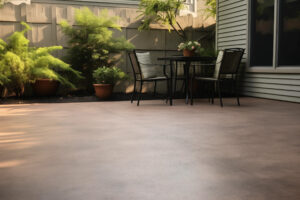
Have you ever stood on your dull, gray concrete patio and thought, There has to be more? That ubiquitous slab of gray doesn't have to define your outdoor living space. Today, concrete patio colors offer a stunning spectrum of possibilities, turning a simple patio into a design feature that complements your home, reflects your personality, and creates an inviting atmosphere for relaxation and entertainment. The journey from a basic slab to a vibrant, stone-like, or custom-painted surface is easier and more accessible than you might think. This ultimate guide will walk you through every step—from understanding the different coloring methods and design principles to application tips, cost considerations, and maintenance—so you can confidently transform your patio into the backyard oasis you've always wanted.
The Evolution of Concrete Patio Colors: Beyond the Basic Gray
Gone are the days when a concrete patio meant a single, uninspired shade of gray. The evolution of concrete coloring technology has been nothing short of revolutionary. What was once a purely functional surface is now a versatile canvas for artistic expression. Modern techniques allow for incredible depth, variation, and permanence, mimicking the look of expensive natural stone, brick, or even custom tile at a fraction of the cost. This shift means homeowners can now integrate their patio seamlessly with their landscape design or use it as a bold, contrasting element. The market's expansion is driven by demand for personalized outdoor spaces, with the global decorative concrete market projected to grow significantly, underscoring how these advanced concrete patio colors have become a standard in high-end outdoor design. Understanding this evolution is the first step to unlocking your patio's full potential.
Exploring the Spectrum: A Deep Dive into Concrete Coloring Methods
Choosing the right concrete patio color starts with understanding the application methods available. Each technique offers distinct visual results, durability levels, and cost points. The method you choose will fundamentally shape the final look and longevity of your patio.
Acid Stains: The Timeless Choice for Variegated, Stone-Like Effects
Acid stains are the classic choice for achieving rich, variegated, and natural-looking tones that resemble marble, slate, or sandstone. Unlike paint, which sits on top, acid stains are a chemical reactive solution (typically containing hydrochloric acid and metallic salts) that penetrates the concrete's surface and reacts with the minerals within. This creates a permanent, mottled color that is unique to each slab—no two patios will look exactly alike. The resulting variegated, stone-like effects are highly prized for their organic, sophisticated appearance. Acid stains are available in a range of earth tones—browns, tans, terra cottas, and soft blues—and are exceptionally durable, becoming a permanent part of the concrete. However, they require careful application and safety precautions due to the acidic nature, and the color palette is somewhat limited to these natural hues. They are ideal for homeowners seeking a low-maintenance, high-end look that ages gracefully.
Water-Based Stains: Vibrant and User-Friendly Color Solutions
For those desiring a broader palette including brighter, more uniform colors, water-based stains are an excellent alternative. These stains are pigment-based and work by depositing color into the concrete's pores without a chemical reaction. This allows for a much wider range of colors, from soft pastels to bold, saturated hues, and provides a more consistent, even tone than acid stains. They are also low-odor, non-toxic, and easier to apply safely, making them a favorite for DIY projects. Water-based stains are highly versatile; they can be applied in single coats for a solid color or layered and manipulated with techniques like sponging or ragging to create subtle texture and variation. While very durable, they may require more frequent resealing than acid-stained concrete to maintain their vibrancy against UV exposure. This method is perfect for creating custom color schemes that match specific home exteriors or design themes.
Integral Color: Pigment Mixed Throughout for Uniformity
Integral color involves adding synthetic or natural pigments directly into the concrete mix before it is poured. This means the entire slab, from top to bottom, is uniformly colored. The primary advantage is absolute color consistency and unparalleled durability. Since the color is throughout the material, surface wear, scratches, or minor chips are far less noticeable, as the underlying concrete is the same color. Integral color is the go-to for new patio installations and is often used in conjunction with other techniques like stamping or exposed aggregate. The pigment load can be adjusted for intensity, and a vast array of colors is available. However, it offers less dramatic variation than stains and requires precise batching during the concrete plant stage, making it a decision best made early in the construction process. It’s the ultimate choice for a monolithic, solid-color foundation.
Concrete Dyes: Intense, Translucent Hues for Drama
Concrete dyes are highly concentrated, soluble colorants, often acetone or water-based, that penetrate deeply into the concrete. They are known for producing intense, translucent hues that can be layered to create complex, rich colors. Dyes are excellent for revitalizing existing concrete, as they can be applied over previously stained or dyed surfaces (with proper preparation). They dry very quickly and offer excellent UV resistance, especially solvent-based versions. The translucent nature of dyes allows the natural concrete texture to show through, adding depth. They are frequently used by professionals for custom graphic designs, borders, or to enhance the color of polished concrete. While incredibly vibrant, dyes can be more expensive and may require multiple applications for full opacity.
Concrete Paint: A Temporary Solution for Bold, Graphic Designs
Concrete paint is a surface coating that sits on top of the concrete, similar to paint on wood. It is the most temporary solution for coloring concrete, typically lasting 3-7 years before significant peeling or fading occurs, especially in harsh sun or freeze-thaw climates. Its main advantage is the vast array of bold colors and finishes (high-gloss, matte, textured) available, and it can be applied over many existing surfaces with minimal preparation. Paint is ideal for temporary makeovers, creating bold graphic patterns, or for renters who cannot permanently alter the property. However, it is not recommended for a permanent, high-traffic patio surface where durability is key. Proper concrete etching and the use of a high-quality, 100% acrylic concrete paint with a robust topcoat are essential for maximizing its lifespan.
Design Principles: Harmonizing Your Patio Color with Its Environment
Selecting the perfect concrete patio color is an art that balances personal taste with practical design principles. The color you choose will significantly impact your outdoor space's mood, perceived size, and connection to your home and landscape.
Embracing Natural Tones for Seamless Landscape Integration
Natural tones—think sandy beiges, warm browns, gentle grays, and earthy terracottas—are the undisputed champions of harmony. These colors blend with landscapes effortlessly, creating a calm, cohesive look that makes the patio feel like an extension of the garden rather than an imposed element. They complement greenery beautifully, provide a warm and inviting feel, and have excellent resale value as they appeal to a broad audience. A natural-toned patio acts as a neutral backdrop, allowing your outdoor furniture, planters, and landscaping to take center stage. Consider the dominant colors in your surrounding plants, soil, and hardscaping. A warm, sandy beige might echo a desert landscape, while a cool, slate gray could mirror a stone pathway or water feature.
Making a Statement with Bold and Unexpected Colors
Why be subtle? Bold colors like deep navy, forest green, charcoal black, or even terracotta red can make a striking statement, turning your patio into a dramatic focal point. A bold-hued patio can define distinct zones—a dining area in deep slate, a lounging area in warm terracotta—and inject immense personality into your yard. These colors work exceptionally well as accents (on a border, steps, or an inset area) or as a full slab in a modern, minimalist design. The key to success with bold colors is intentionality. Ensure they complement your home's exterior color scheme. A deep blue patio, for instance, can look stunning against a white or light-gray house, creating high-contrast elegance. Always test large swatches in the actual space to see how the color interacts with your specific sunlight conditions throughout the day.
The Power of Multi-Color Techniques for Added Depth and Dimension
Don't limit yourself to one flat color! Multi-color techniques add incredible depth and dimension to what is inherently a flat surface. This can be achieved through:
- Layering Stains: Applying one acid stain color and then adding a second, different color in a diluted, sponged, or dragged manner.
- Borders and Insets: Using a contrasting color to frame the patio, define a cooking zone, or create a geometric pattern.
- Stamping and Coloring: Combining a base stain with a darker or lighter release powder during the stamping process to highlight texture.
- Exposed Aggregate: Revealing colorful stones or glass within the concrete for a speckled, textured effect.
These techniques break up large areas, create visual interest, and can guide foot traffic or define functional spaces. They are a hallmark of professional decorative concrete and elevate a simple patio to a custom-designed masterpiece.
Key Factors to Guide Your Color Selection: A Practical Checklist
Your final color selection should be a thoughtful decision based on several practical factors. Before you buy a single can of stain, ask yourself these questions:
- What is the primary style of my home and landscape? (Modern, rustic, traditional, coastal?)
- What is the sun exposure? South-facing patios in hot climates may benefit from lighter colors that reflect heat, while shaded areas can handle darker, moodier tones.
- What is the intended use? A family dining area might suit a warmer, stain-resistant tone, while a pool deck might favor a lighter, non-slip color that doesn't get too hot.
- What are my permanent fixtures? Consider the color of your house trim, roof, fencing, and major garden elements. Your patio color should complement, not clash.
- What mood do I want to create? Calm and serene (soft blues, grays), warm and inviting (terracotta, tan), or bold and energetic (deep red, navy)?
Create a mood board with paint chips, fabric swatches, and photos of your home to visualize the final look.
From Preparation to Perfection: Ensuring a Flawless, Long-Lasting Finish
The most beautiful concrete patio colors will fail without proper application. Preparation and sealing are non-negotiable steps that separate a professional, durable result from a disappointing, short-lived one.
The Critical First Step: Meticulous Surface Preparation
Proper preparation ensures durability and is the single most important factor in the success of any concrete coloring project. A poorly prepared surface will lead to poor adhesion, blotchy color, and premature failure. The steps are universal:
- Thorough Cleaning: Remove all dirt, grease, oil, mildew, and old sealers. This often requires a pressure washer and a concrete degreaser or etcher.
- Repair Imperfections: Fill cracks, holes, and spalls with a high-quality concrete patch. Ensure the patch is fully cured.
- Etching (for Stains/Dyes): Acid etching (with a mild acid solution) or mechanical grinding opens the concrete's pores, allowing the colorant to penetrate deeply. This step is crucial for new, smooth, or sealed concrete.
- Complete Drying: The concrete must be completely dry (often 24-72 hours after cleaning/etching) before any colorant is applied. Moisture trapped underneath will cause adhesion problems.
- Protect Surroundings: Mask off walls, steps, and landscaping with plastic and painter's tape.
Sealing: Your Patio's Invisible Shield Against the Elements
Sealing protects against UV rays, weather, stains, and wear. It is the final, essential layer that locks in color and provides a sacrificial barrier. There are two main types:
- Penetrating Sealers (Silanes/Siloxanes): These soak into the concrete, repelling water and oil without changing the appearance or slip resistance. Ideal for outdoor concrete where freeze-thaw resistance is critical.
- Topical Sealers (Acrylics, Polyurethanes, Epoxies): These form a film on the surface. Acrylics are common for stained concrete, offering good UV protection and a range of sheens. Polyurethanes are tougher and more chemical-resistant. Always choose a UV-resistant sealer for outdoor use to prevent yellowing or fading.
Reapplication is necessary—typically every 2-5 years for acrylics on a patio, depending on traffic and climate. A simple water beading test (water should bead up on the surface) indicates it's time to reseal.
Maintenance Tips to Keep Your Patio Looking Vibrant for Years
Maintenance extends color life and keeps your patio looking fresh. It’s simple but consistent:
- Regular Sweeping: Remove dirt and grit that can act as abrasives.
- Gentle Washing: Use a hose with a gentle nozzle or a soft-bristled brush with mild soap. Avoid harsh pressure washing on sealed surfaces.
- Prompt Spill Cleanup: Clean oil, grease, or food spills immediately to prevent staining.
- Reapply Sealer: As noted, follow a regular resealing schedule based on the manufacturer's recommendations and wear.
- Use Furniture Pads: Prevent scratches from metal or rough furniture legs.
- Winter Care: Use non-corrosive ice melts (calcium magnesium acetate is safer than sodium chloride) and shovel carefully to avoid chipping the sealer or concrete.
DIY vs. Professional Installation: Knowing When to Call an Expert
Professional installation is recommended for complex jobs, especially those involving acid stains, integral color, intricate stamping, or large areas. Professionals have the experience to handle the chemistry of acid stains, achieve uniform results with water-based products, and properly execute multi-color techniques. They also have commercial-grade equipment for surface preparation and sealing.
DIY is possible with proper tools and planning for smaller, simpler projects using water-based stains or paints. If you choose the DIY route:
- Start Small: Practice your technique on a concrete sample or an inconspicuous area.
- Invest in Quality Materials: Don't skimp on stain or sealer quality.
- Follow Instructions Meticulously: Read all product datasheets. Timing (application, drying, sealing) is critical.
- Mind the Weather: Apply in the recommended temperature and humidity range (usually 50-90°F, low humidity).
- Prioritize Safety: Wear proper PPE (gloves, goggles, respirator) especially with acids or solvents.
Budgeting for Beauty: Understanding the Cost of Concrete Patio Colors
Costs vary significantly by method and complexity. Here’s a general breakdown (materials only, per square foot):
- Water-Based Stain: $0.50 - $2.00
- Acid Stain: $1.00 - $3.00
- Integral Color (for new pour): $0.75 - $3.00+ (added to concrete cost)
- Concrete Dye: $2.00 - $5.00
- Concrete Paint: $1.00 - $4.00
- Sealer: $0.50 - $2.00 (per gallon covers 200-400 sq ft)
Labor, if hired, can double or triple the material cost for staining. Complexity (multiple colors, stamping, graphics) adds to the price. DIY can save 40-60% on labor but requires your time and carries the risk of error. Always get multiple quotes and ensure they specify the exact products and number of coats.
2024's Hottest Hues: Trending Concrete Patio Colors
While timeless neutrals always have a place, trending colors reflect current design movements. In 2024, we're seeing a strong pull towards:
- Earthy, Warm Neutrals: Greige (a blend of gray and beige), warm taupe, and deep sand. These colors feel grounded, organic, and pair perfectly with natural wood and greenery.
- Saturated Earth Tones: Rich terracotta, burnt sienna, and olive green. These add warmth and a touch of Mediterranean or rustic charm without being overly bold.
- Deep, Moody Blues: Navy, charcoal blue, and slate. These sophisticated, almost-black blues create a dramatic, elegant backdrop that feels both modern and cozy, especially when paired with brass or warm wood accents.
- Soft, Washed Pastels: For a coastal or cottage feel, very light blues, sage greens, and dusty pinks (achieved with dyes or multiple stain washes) are gaining popularity for their serene, sun-bleached look.
The trend is away from cold, sterile grays toward warm, inviting, and complex tones that age beautifully and connect to nature.
The Green Choice: Sustainable and Eco-Friendly Coloring Options
Conscious homeowners are increasingly asking about sustainability. The good news is there are several eco-friendly coloring options:
- Low-VOC and Zero-VOC Products: Many modern water-based stains, dyes, and sealers are formulated with low or zero volatile organic compounds, improving indoor/outdoor air quality and reducing environmental impact.
- Recycled and Natural Pigments: Some manufacturers offer pigments derived from natural, earth-based sources or utilize recycled industrial byproducts. These have a lower carbon footprint than synthetic pigments.
- Durable, Long-Lasting Systems: The most sustainable color is one that doesn't need frequent replacement. Choosing a high-quality, permanent system like acid stain or integral color reduces waste and resource consumption over the patio's lifetime.
- Reflective, Light Colors: In hot climates, using lighter colors can reduce the urban heat island effect around your home, potentially lowering cooling costs—an indirect environmental benefit.
Look for products with GreenGuard certification or similar third-party environmental certifications when making your selection.
Pitfalls to Avoid: Common Concrete Coloring Mistakes
Even with the best products, mistakes can happen. Here are the most common pitfalls:
- Skipping or Rushing Prep: This is the #1 cause of failure. A dirty, oily, or sealed surface will not accept color properly.
- Ignoring the Test Patch: Always test your chosen color on a small, hidden area. Concrete from different batches or with different mineral content can look different. The color will also change as it cures and dries.
- Applying in the Wrong Conditions: Too hot, too cold, too humid, or in direct sunlight can cause uneven absorption, rapid drying, or adhesion failure. Follow the product's temperature and humidity guidelines.
- Using the Wrong Sealer: A non-UV-resistant sealer will yellow. A sealer not rated for exterior use will fail quickly. A slick sealer on a pool deck is a safety hazard.
- Over-Applying or Under-Applying: Follow coverage rates. Too thin a coat won't provide opacity; too thick can lead to cracking, peeling, or a sticky surface.
- Not Considering Future Changes: Remember that acid stains and integral color are permanent. If you think you might want to change the color in 10 years, a water-based stain or dye (which can be over-coated) might be a better choice than an acid stain.
- Neglecting the Slump: For new concrete, ensure the mix has a consistent slump (workability). A very dry mix may not hold color as well as a properly mixed, workable one.
Conclusion: Your Patio, Your Canvas—Start Creating Today
The world of concrete patio colors is vast, exciting, and full of potential. It’s a realm where science meets art, where durability meets design, and where a simple backyard slab can be transformed into a personalized outdoor retreat. Whether you choose the timeless, organic beauty of acid stains, the vibrant flexibility of water-based products, the permanence of integral color, or the bold statement of multi-color techniques, the key is informed choice. Arm yourself with knowledge about the methods, consider your home's style and the patio's function, and never underestimate the power of meticulous preparation and sealing. By avoiding common pitfalls and selecting colors that resonate with your vision—whether a serene, natural blend or a dramatic, bold statement—you invest in an outdoor space that provides beauty, value, and joy for years to come. Your patio is no longer just a foundation; it's your canvas. Pick up a brush, a stain, or a phone for a pro, and start creating the backyard oasis you deserve.